A Beginner's Guide to Snorkeling in Key West
Nervous about the deep blue? Here is everything you need to know about snorkeling the Florida Reef safely.
Why Snorkel in Key West?
Key West sits right next to the only living coral barrier reef in the continental United States—and it happens to be the third-largest barrier reef system in the entire world, after the Great Barrier Reef in Australia and the Mesoamerican Reef off Belize. This isn't some overhyped tourist attraction; the Florida Reef is a genuinely world-class snorkeling destination with crystal-clear water, an astonishing diversity of marine life, and water temperatures that stay warm enough for comfortable snorkeling year-round.
The reef stretches roughly 360 miles along the Florida Keys, and the best snorkeling sites near Key West are located about 5–7 miles offshore in the Florida Keys National Marine Sanctuary. The water is shallow (most reef sites are 5–15 feet deep), warm (75–85°F depending on season), and remarkably clear—visibility is often 30–60 feet on calm days. Whether you're a complete beginner who's never put a mask on or an experienced snorkeler who's explored reefs around the world, Key West has something extraordinary to offer.
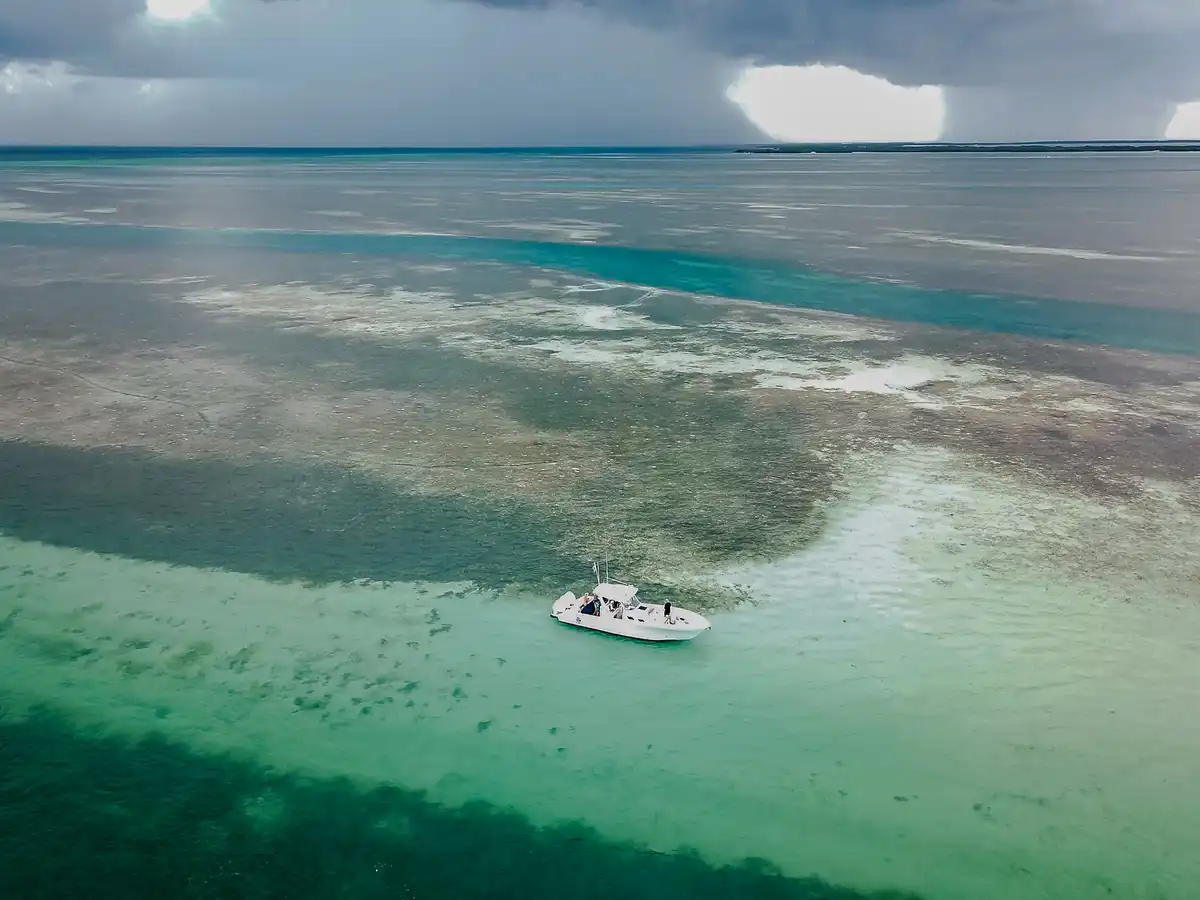
If you're nervous about snorkeling for the first time, you're in the right place. This guide will walk you through everything you need to know—from what to expect on your trip to the marine life you'll see, safety tips, and which operators we recommend.
What to Expect on Your Snorkeling Trip
Most snorkeling trips from Key West follow a similar format. Here's a typical timeline so you know exactly what you're getting into:
Check-in (30 minutes before departure): You'll meet at the boat's dock—usually at the Historic Seaport on Margaret Street or at one of the marinas along North Roosevelt Boulevard. The crew will check you in, get you fitted for gear, and give a brief orientation.
The boat ride out (20–40 minutes): Depending on the reef site, you'll motor out for 20–40 minutes. The ride is usually smooth, but if you're prone to seasickness, take Dramamine or Bonine at least 30 minutes before boarding. Sit outside in the fresh air and focus on the horizon—this helps enormously.
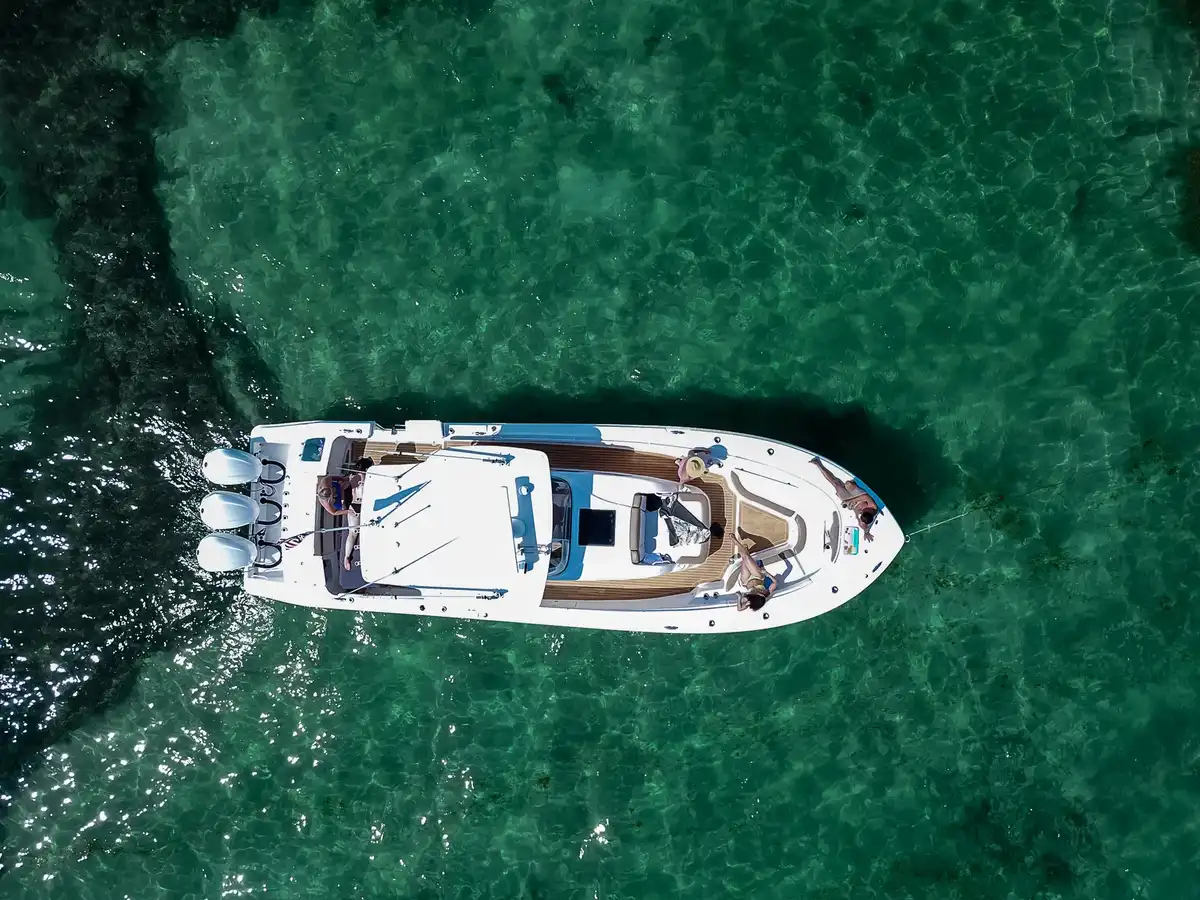
Gear up and briefing (10 minutes): Before you get in the water, the crew will give a thorough safety briefing. They'll show you how to clear your mask if it fogs or fills with water, how to breathe through the snorkel, and how to use the flotation vest. They'll also explain the marine sanctuary rules (no touching coral, no standing on the reef, no feeding fish).
In the water (45–75 minutes per stop): Most trips visit one or two reef sites. You'll have roughly 45–75 minutes in the water at each stop. The crew stays on the boat and keeps watch, and there's usually a guide in the water with you to point out interesting marine life. You can get back on the boat at any time if you need a break.
The ride back: Many boats offer complimentary drinks (beer, wine, water, soda) on the return trip. Some even serve snacks. It's a nice way to relax and compare notes on what you saw.
Marine Life You'll See
The Florida Reef is home to an incredible diversity of marine species. Here's what you're most likely to encounter:
- Parrotfish: These colorful fish are everywhere on the reef. You can actually hear them crunching on coral with their beak-like teeth—it sounds like someone eating chips underwater.
- Yellowtail Snapper: Schools of these silver-and-yellow fish swirl around you in shimmering clouds. They're curious and often swim right up to your mask.
- Blue Tang: You know Dory from Finding Nemo? That's a blue tang. They're bright blue with a yellow tail and travel in small groups.
- Sergeant Majors: These small, striped fish with yellow backs are some of the most common reef fish and are often the first species beginners notice.
- Angelfish: French and queen angelfish are strikingly beautiful—large, disc-shaped, and painted in shades of blue, yellow, and black.
- Sea Fans & Coral: The reef itself is alive with soft corals, sea fans swaying in the current, brain coral, and staghorn coral. The colors and textures are mesmerizing.
- Sea Turtles: Green sea turtles and loggerheads are regularly spotted on the reef. If you see one, keep your distance (at least 15 feet) and don't chase it.
- Nurse Sharks: Don't panic! Nurse sharks are docile, bottom-dwelling sharks that pose no threat to humans. Seeing one resting under a coral ledge is a thrill, not a danger.
- Stingrays: Southern stingrays glide along the sandy bottom between reef patches. They're graceful and beautiful to watch.
Top Snorkeling Spots
The captain will choose the best reef site based on conditions that day, but here are the most popular spots you might visit:
- Sand Key Lighthouse: Perhaps the most iconic snorkeling site near Key West. The reef surrounds a historic iron lighthouse, and the shallow waters (5–15 feet) are teeming with fish and coral. Visibility is usually excellent.
- Eastern Dry Rocks: A beautiful, shallow reef that's perfect for beginners. The coral formations are vibrant and the fish life is dense. This is often where you'll see the largest variety of species on a single trip.
- Rock Key: A slightly deeper reef with impressive coral heads and larger fish species. On a good day, you might spot a barracuda or a moray eel peeking out from a crevice.
- Cottrell Key: Good for seeing nurse sharks and rays resting on the sandy bottom between reef patches. A bit further out, but worth the ride.
- Shore Snorkeling at Fort Zach: If you'd rather skip the boat entirely, Fort Zachary Taylor offers decent snorkeling right off the beach. The water is clear and you'll see plenty of fish among the rocky bottom.
Safety Tips for Beginners
Snorkeling is one of the safest water activities you can do, but a few precautions will make your experience much more enjoyable:
- Wear the flotation vest. It's required on most boats and it's there for your safety. Even strong swimmers should wear one—it reduces fatigue and lets you float effortlessly while you watch the reef below.
- Apply reef-safe sunscreen before the trip. Regular sunscreen contains chemicals that damage coral. Key West requires reef-safe sunscreen by law. Apply it 30 minutes before getting in the water so it has time to absorb.
- Don't touch anything. Coral is alive and extremely fragile—a single touch can kill years of growth. Some corals and marine creatures can also sting or cut you. Look with your eyes, not your hands.
- Stay with the group. Don't swim too far from the boat or away from other snorkelers. The crew keeps a headcount and needs to be able to see you.
- Prevent seasickness. Take medication before the trip if you're prone to motion sickness. Ginger chews also help. Avoid heavy meals and alcohol before your trip.
- Check your gear. Before jumping in, make sure your mask fits snugly without pressing too hard on your nose. A leaky mask is the #1 complaint among beginner snorkelers. If it's not right, ask the crew for a different size.
- Breathe slowly and steadily. The most common beginner mistake is breathing too fast through the snorkel. Take slow, deep breaths through your mouth. If water gets in the snorkel, exhale sharply to clear it.
Recommended Snorkeling Operators
We've snorkeled with numerous operators in Key West and these are the ones we consistently recommend:
- Fury Key West Snorkeling: The biggest and most well-known operator. They run large catamarans with plenty of space, complimentary drinks, and professional crews. Great for families and larger groups. Their "Double Dip" trip visits two reef sites.
- Sol Chaser Charters: A smaller, private charter that offers a more intimate experience. Captain Nik takes small groups to less-crowded reef sites and sandbars. Perfect for couples or small groups who want a personalized trip.
- Aquaholics Charters: Another excellent private charter option. They combine snorkeling with sandbar visits and dolphin watching for a full day on the water. Their boats are well-maintained and the crew is knowledgeable and fun.
Whichever operator you choose, book in advance during peak season (December–April). Morning trips typically offer better visibility and calmer water than afternoon trips. And don't forget your waterproof camera—you'll want to capture what you see down there!
Frequently Asked Questions
Do I need to know how to swim to snorkel?
Not really! All snorkeling operators in Key West provide mandatory flotation vests that keep you buoyant on the surface. You simply float face-down and breathe through the snorkel. Many non-swimmers have their first snorkeling experience here and love it.
What time of year is best for snorkeling in Key West?
Snorkeling is good year-round in Key West, but the best conditions are typically from April through October when the water is warmest (80–86°F) and calmest. Winter months (December–March) can have cooler water and occasionally choppy conditions, but visibility is often excellent.
How long does a snorkeling trip last?
Most snorkeling trips are 3–4 hours total, including the boat ride out and back. You'll typically spend 45–75 minutes in the water at each reef site. Half-day trips usually visit one or two sites.